Listen to our radio programs by clicking on the links below
J'esere que vous avez ecoute notre premier programme
et nous vous offrons d'autres programmes que nous avons realises depuis
Clicquez sur les liens ci dessous et ecoutez (Merci)
1.Conseils pratiques Comment bien manger, avec Clancy Philippe
http://www.youtube.com/watch?v=vcyaKFEu1CA
2.Intervention de Ignace Ducasse sur la langue Kreol
http://www.youtube.com/watch?v=t1cLqT2f3g4
3.La Cuisine mauricienne avec Clancy Philippe
http://www.youtube.com/watch?v=QoDzO_YiIyE
4.La Communaute mauricienne a Sydney, Analyse de Radio Kontak
http://www.youtube.com/watch?v=ur34x8vP8nE
5.Dejeuner au Club Rodriguais de Melbourne
http://www.youtube.com/watch?v=QoyEJcOnrX4
6.Pierre Argo nous parle de la musique traditionelle de l'ile Rodrigues
http://www.youtube.com/watch?v=FNaDRnQkyAk
7.Le sega Mauricien, analyse de Radio Kontak
http://www.youtube.com/watch?v=nqnrFSiZqAM
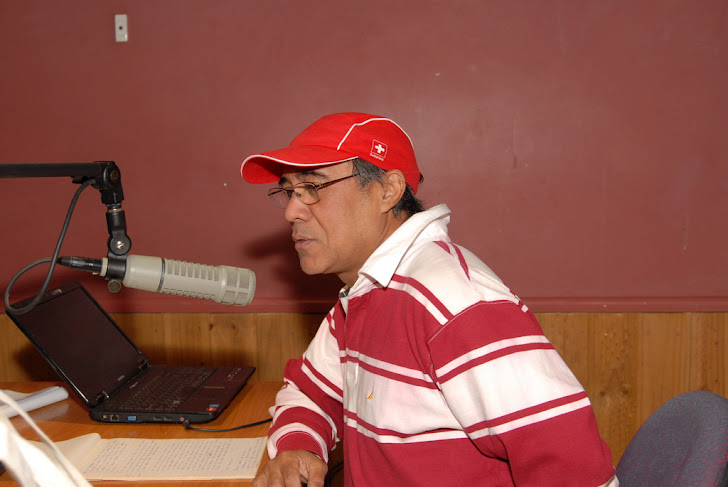
George at Studio 2GLF 89.3 fm
Broadcasting Emission Kontak
Sunday, 24 November 2013

Tuesday, 12 November 2013
Ecoutez Radio Kontak sur le net
Listen to Radio Kontak on the net
Ecoutez Radio Kontak sur le net
To listen to our introductory Program click on the link below
http://www.youtube.com/watch?v=SQCQ90_05Cg
Clicquez sur le lien ci dessus pour ecouter notre premier programme

Ecoutez Radio Kontak sur le net
To listen to our introductory Program click on the link below
http://www.youtube.com/watch?v=SQCQ90_05Cg
Clicquez sur le lien ci dessus pour ecouter notre premier programme

Friday, 1 November 2013
Introducing Radio Kontak on the net
Chers amis Creolophones et francophones a travers le monde
bienvenue a notre premier programme sur le net.
Cette emission est votre emission. Nous attendons vos commentaires
Just Click on the link below to listen
http://www.youtube.com/watch?v=paYyTZ9sFqc

Please forward your comments, feedback,. requests and shoutouts to georgydelamare@yahoo.com
Thanks
GDL


bienvenue a notre premier programme sur le net.
Cette emission est votre emission. Nous attendons vos commentaires
Just Click on the link below to listen
http://www.youtube.com/watch?v=paYyTZ9sFqc


Please forward your comments, feedback,. requests and shoutouts to georgydelamare@yahoo.com
Thanks
GDL


Thursday, 31 October 2013
Entretient avec Jayen Cuttaree
Interview of Jayen Cuttaree at the launching of his book BEHIND THE PURPLE CURTAIN
Tuesday, 29 October 2013
Celebration de la Journee International Kreol
Intervention de Ignavce Ducasse dans le cadre de la journee Internationale Creole
 l’école après plus de trente ans de combat de la part de différents individus, associations, intellectuels, militants. Le combat a abouti il y a deux ans après la reconnaissance officielle. De manière personnelle, il y a un organisme qui a été mis en place et qui est connu comme la Kreol Speaking Union dont j’ai l’honneur d’être le président. Notre conseil d’administration s’est rencontré il y a un mois et c’est donc la première journée organisée par cet organisme de l’État. L’Université de Maurice a commencé à célébrer la journée créole en 2000. Nous avions à cette époque invité Fanfan, Henry Favory et plusieurs personnes que nous aurons l’occasion de récompenser treize ans après avec le soutien de la Kreol Speaking Union qui a été mandatée par l’État pour promouvoir, défendre et faire de que la langue créole puisse entrer dans tous les cercles. Tout cela fait que la journée internationale de cette année est différente et particulière.
La video plus haut comprend l'intervention de Ignace Ducasse sur le Kreol
Interview de Arnaud Corporan dans le Mauricien
Dans quel esprit est célébrée la Journée internationale de la langue et de la culture créoles cette année ?
Il y a beaucoup d’événements qui font que la Journée internationale de la langue créole est particulière cette année. En premier lieu c’est la trentième célébration de la Journée internationale créole dans le monde. Elle a été célébrée pour la première fois dans l’île de la Dominique – à ne pas confondre avec la République dominicaine – il y a trente ans. On a commencé ensuite à la célébrer dans les autres pays dans la zone américaine et Caraïbes. Par la suite, elle a été célébrée dans l’océan Indien et dans les autres pays. Aujourd’hui tous les pays créolophones célèbrent cet anniversaire ensemble. Le même logo est utilisé dans tous les pays. Les publications mauriciennes sont partagées avec les autres pays par le biais de l’internet. C’est donc une célébration transatlantique, transocéanique qui a pris une dimension internationale.
À Maurice cela fait deux ans que la langue créole a été reconnue officiellement, avec une orthographe standardisée, et est entrée dans année. En premier lieu c’est la trentième célébration de la Journée internationale créole dans le monde. Elle a été célébrée pour la première fois dans l’île de la Dominique – à ne pas confondre avec la République dominicaine – il y a trente ans. On a commencé ensuite à la célébrer dans les autres pays dans la zone américaine et Caraïbes. Par la suite, elle a été célébrée dans l’océan Indien et dans les autres pays. Aujourd’hui tous les pays créolophones célèbrent cet anniversaire ensemble. Le même logo est utilisé dans tous les pays. Les publications mauriciennes sont partagées avec les autres pays par le biais de l’internet. C’est donc une célébration transatlantique, transocéanique qui a pris une dimension internationale. l’école après plus de trente ans de combat de la part de différents individus, associations, intellectuels, militants. Le combat a abouti il y a deux ans après la reconnaissance officielle. De manière personnelle, il y a un organisme qui a été mis en place et qui est connu comme la Kreol Speaking Union dont j’ai l’honneur d’être le président. Notre conseil d’administration s’est rencontré il y a un mois et c’est donc la première journée organisée par cet organisme de l’État. L’Université de Maurice a commencé à célébrer la journée créole en 2000. Nous avions à cette époque invité Fanfan, Henry Favory et plusieurs personnes que nous aurons l’occasion de récompenser treize ans après avec le soutien de la Kreol Speaking Union qui a été mandatée par l’État pour promouvoir, défendre et faire de que la langue créole puisse entrer dans tous les cercles. Tout cela fait que la journée internationale de cette année est différente et particulière.
Sunday, 27 October 2013
Creolism and Mauritius today
Soyez fier d'etre un Creole et de votre riche culture.
be pround on this day and everyday to be a Creole.
The resurgence of Creolism in Mauritius
The debate has always been whether Mauritius is a Creole Island
If we were to look at history, the
“peuplement” of Mauritius has been the same like for other French and British
colonies i.e. societe esclavagiste, colonisation, French oligarchy, societe de
plantation, liberation des esclaves, the bringing in of indentured labour from
India as well as all the others who come on their own free will, like the
Arabs, the Chinese, middle and low class Europeans, and so on…
The Mauritian society is only young (200
years old) whose social and cultural development emerged from the days of
colonization to the present day and it is still, to my view, a dynamic society.
In a paper presented by Thomas Eriksen he argued that in view of the “brassage”
of cultures and the evolution of that island society “Tu dimun pu vini Creole”.
Are all Mauritians Creole or a bit Creole
or somehow Creole is debatable, depending on the definition of Creole in
context and time or whether the definition is narrow or wide whether it is
“exclusive” or “inclusive”. The development of a Creole culture in Mauritius has
its roots from “les chocs des cultures”o of colonial and post colonial days and
led mainly by those of European and Africa descents who become Creoles (born in
the colony), mullatoes, free people of colour, les Métis, Ti Creole, etc…The
development of the Creole culture in Mauritius is marked by the music, (the
sega), the architecture (case Creole) its particular cuisine(rougaille poisson
sale) and the oral traditions,(contes, sirandanes) values, joie de vivre,
amusement, etc…Many aspects if the Creole culture, if not all, are local
creation and easily penetrate into the other cultures in Mauritius and no
resistance is met. The same can be said that interaction with other cultures,
internal and external, has also led the Creole culture to enrich itself. This
is mainly reflected in today’s music and cuisine.
The process of bringing forwards this
culture and led other to adopt it or part of it is called Creolisation. A young indo-mauritian solicitor girl told
me that “ A Maurice nous vivons tous dans notre quotidien un peu de cette
creolite.” The same argument was brought forward by Mr
Esoof in one of its editorial. « Un peu » is well defined whereas
some the Creoles of Mauritius live it fully day by day. This is probably why
some like Jimmy Harmon and Danielle Florigny-Palmyre will argue that we are
Creoles and “nous l’assumons, and if others have a problem in saying they are
Creoles so they should not see a problem of us saying we are Creoles, because
we are. It is a fact.”
This year more than ever the debate about
Creolism in Mauritius
JMR
always outspoken pointed out, in on of his many pieces, that it was more than
legitimate for the church to celebrate the Creole culture as most of its adepts
are from this group. JML and his team successfully bring an awareness of many
facets and richness of the Creole Culture to the wider Mauritian public. The
debate on Creole leadership, the homely of Fr J Gregoire are still music to the
ears of Creoles of Mauritius and food for thought for the politicians who think
they can take the Creoles for granted, larzan contant in the Creole
terminology. “No more” should we all answer, and may the message be loud and clear
to all of them. From this day Creoles of Mauritius know that they should not
expect miracles from others but to rely on their own force, courage and
perseverance.
The other event which will surely have a
great impact of giving Creolism a boost in Mauritius
Coming back to Creolism, it has always been
resistant to any form of deculturation and threat to exterminate it. It
survived the harsh rule of ‘French colonisation” and now winning the battle
against cultural globilisation coming from Uncle Sam. Some intellectuals like Raphael
Confiant and Mgr Gilbert Aubry would even put it that “Nous sommes precurseurs
de la mondialisation”. This is echoed by all members of the IOCP who think that
the more we are threatened the more we fight back and the stronger we become.
The work and vulgarization and support the IOCP is receiving each day is the blatant
proof. The increasing awareness of Creolism (the local culture Made in Mauritius
Let the spirit live on.
Louis de Lamare
IOCP
Friday, 18 October 2013
Le mois Octobre est le mois Kreol
October is the Creole Month
During this month of October, creoles all over the world celebrate their culture.
Subscribe to:
Posts (Atom)